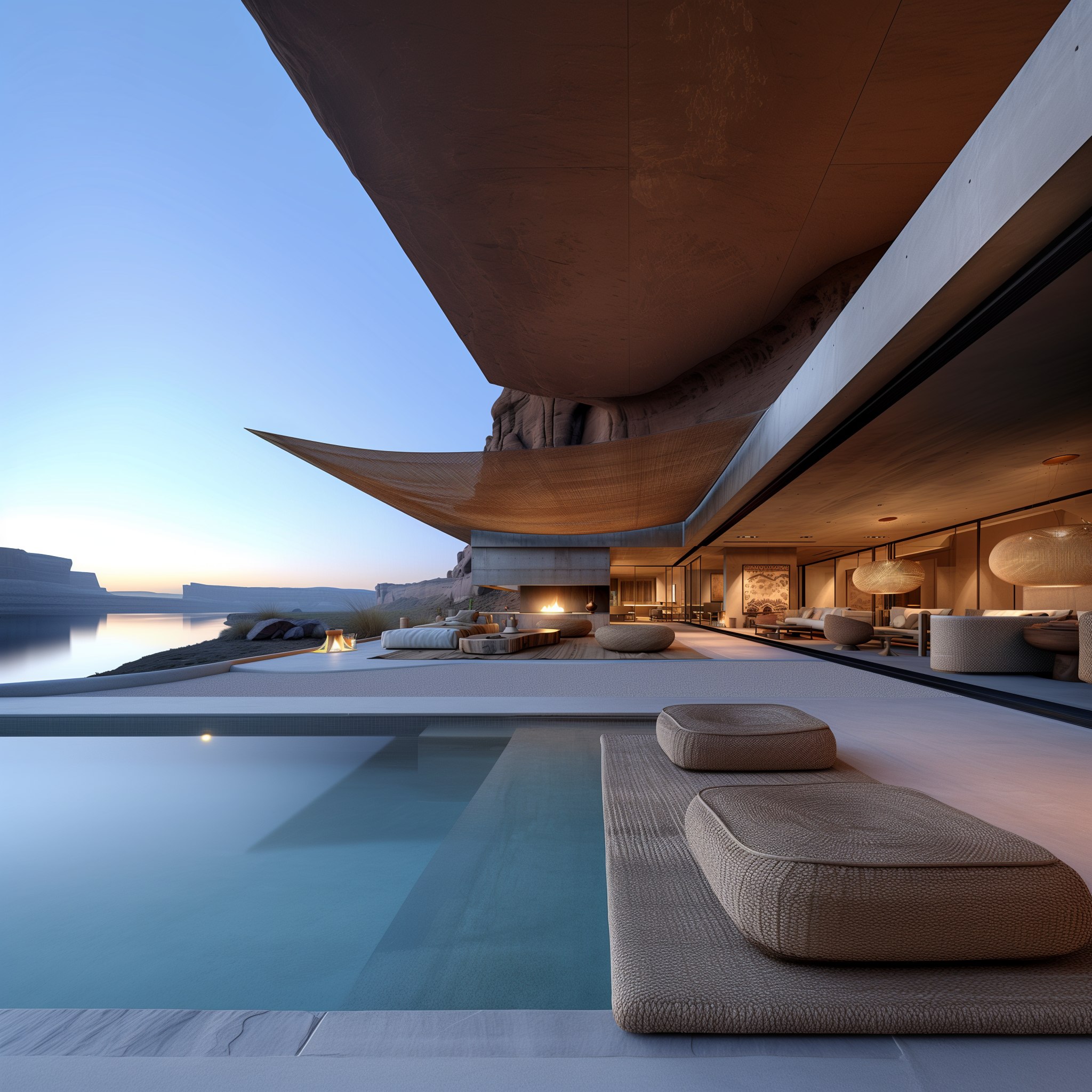
Before a brief exists, what a place is for and the argument it intends to make are still open, still inexpensive to change, and still entirely the owner's to shape, edit, and approve. It is the moment with the most leverage and the least cost, and it passes quickly.
By the time a brief is written, most of that freedom is already spent. The brand has a position, the architect has a direction, the operator has a model, and the pro forma has a number. Each was set in isolation, and reconciling them afterward is where projects lose their nerve and their margin.
The earliest decision is the most valuable, and the one the owner still fully controls.
The more useful move is to author the thing first. On the owner side, that has meant writing a 160-page narrative of a hotel experience, a point of view and a program that were brand-approved and business-aligned before the first designer was hired. A document like that can raise capital and remove significant time from design development, because the hardest arguments are already settled.
Spanish Valley is one example. The concept was reconciled across operations, finance, and brand internally, which made room for pieces of program a conventional process would not have reached. It depends on system-wide thinking and the confidence to produce a design vision quickly, while the cost of changing your mind is still low.
A.R.